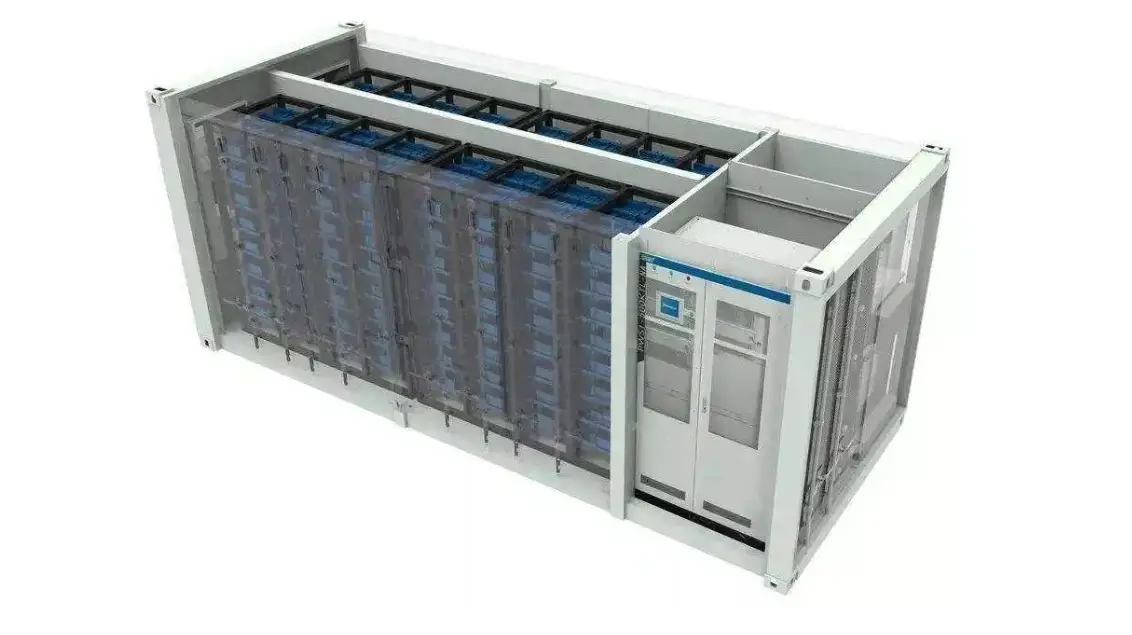
System architecture and functions
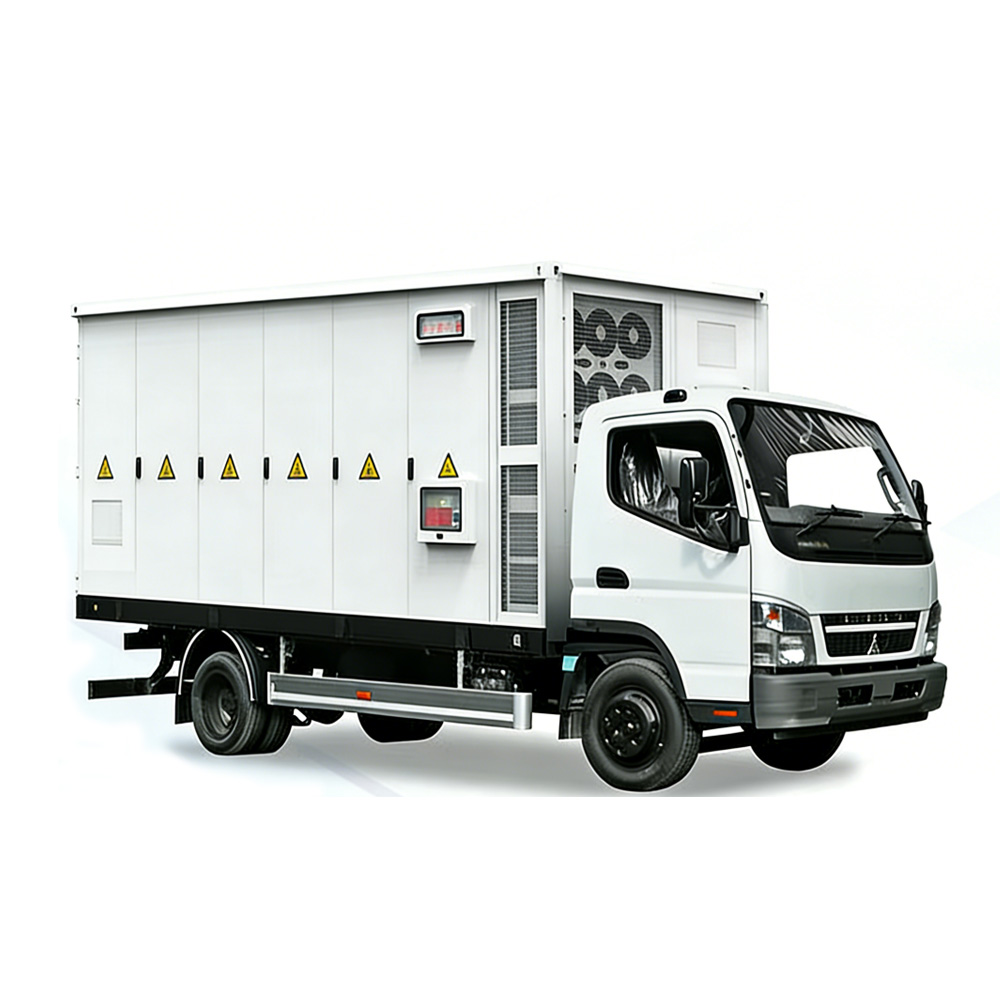
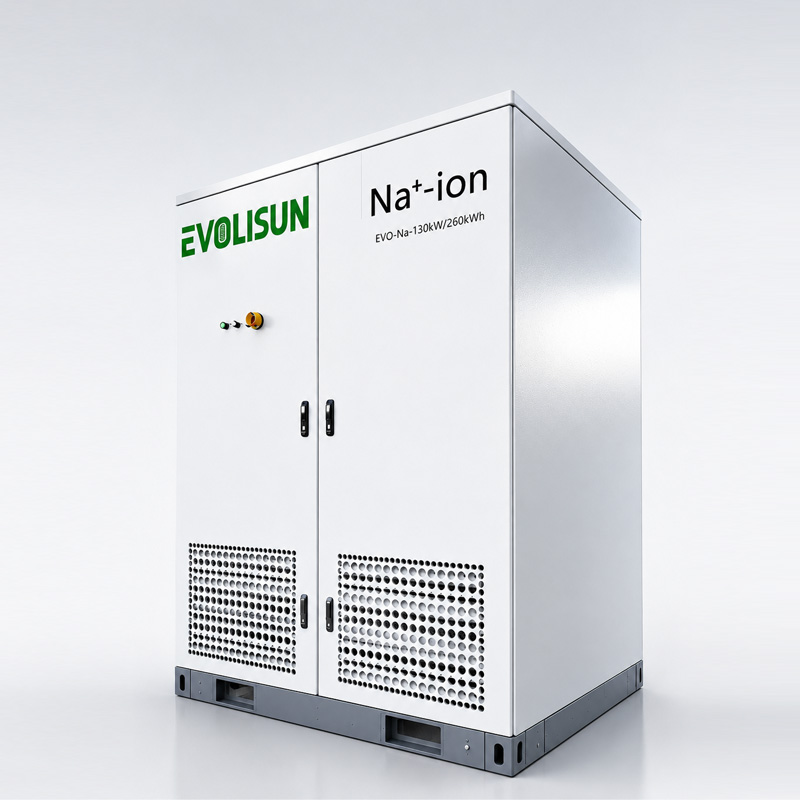
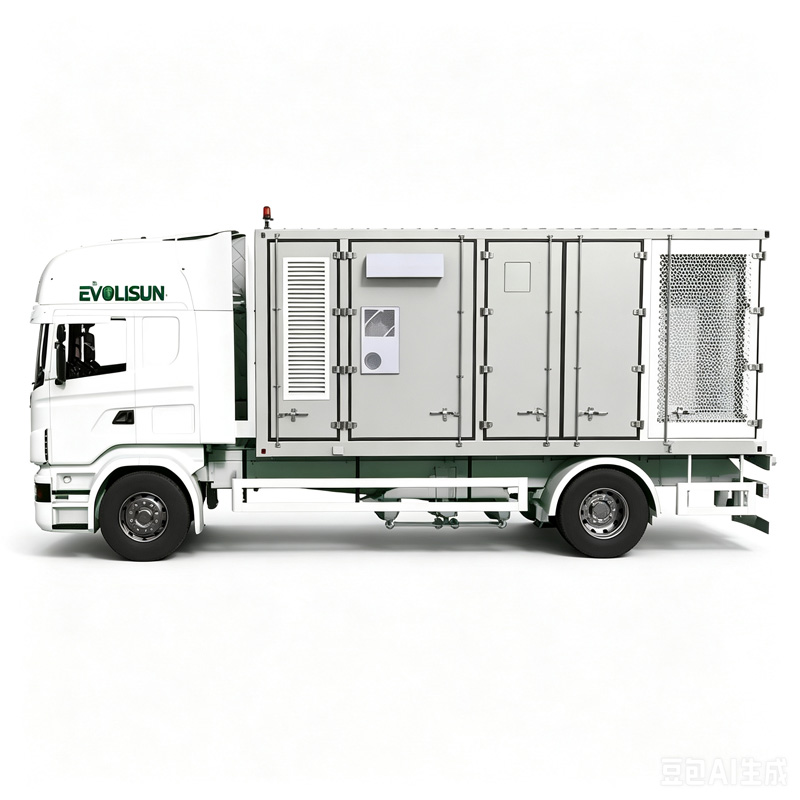
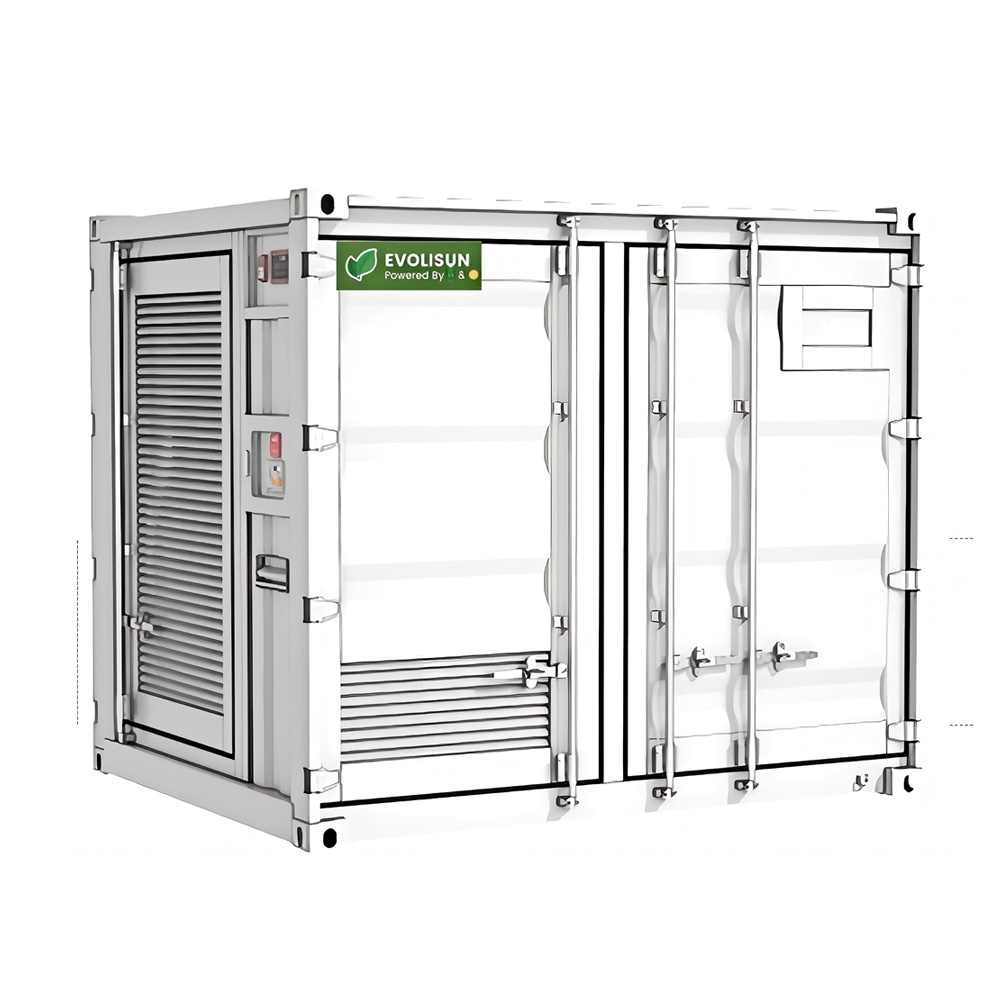
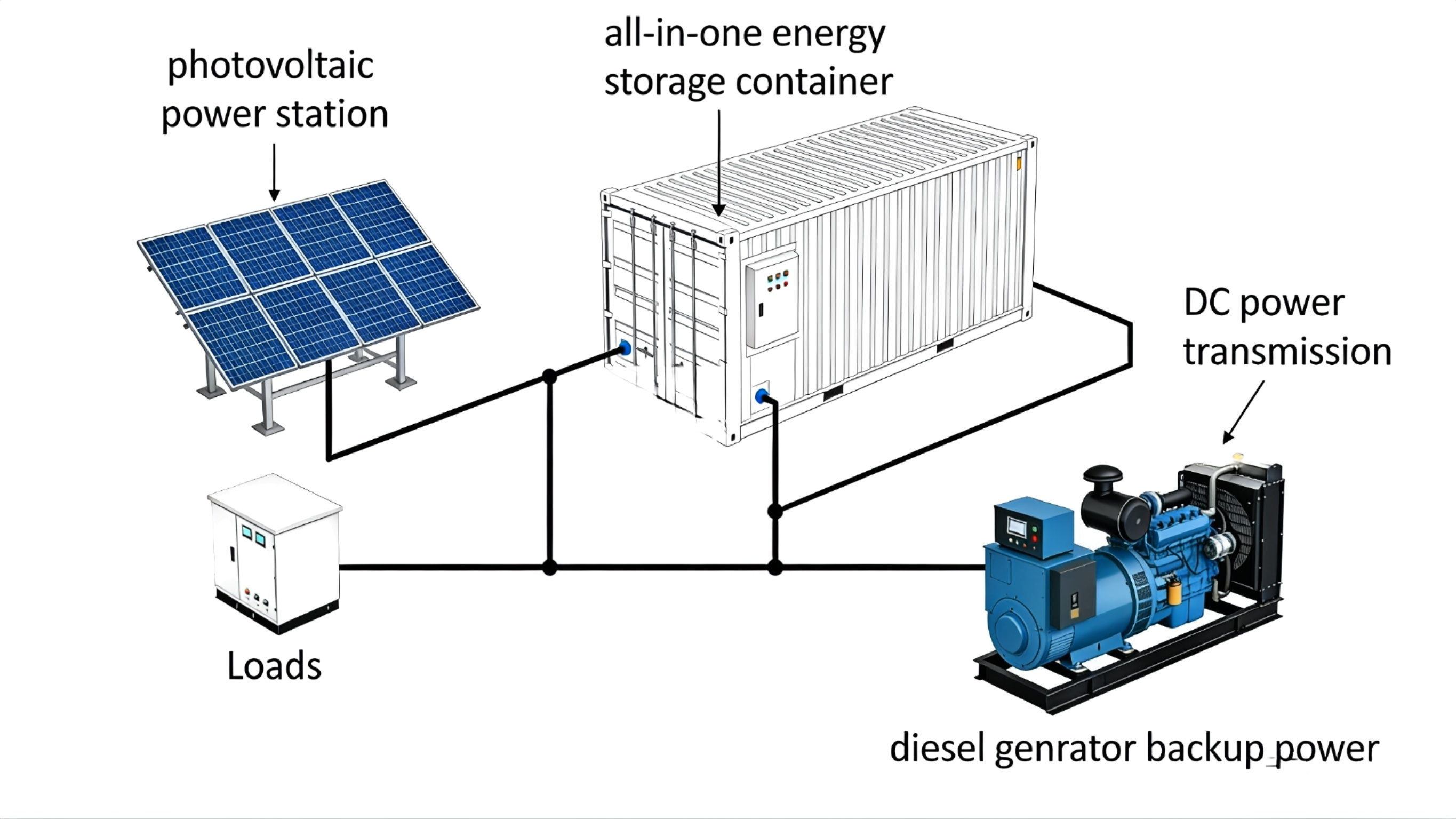
The BESS product 1560KWh battery container system utilizes PV MPPT, an inverter system and diesel generator to supply power to the load. When the battery system has sufficient energy, the inverter supplies power to the load. When the battery system has insufficient energy, the diesel generator is activated to supply power to the load.
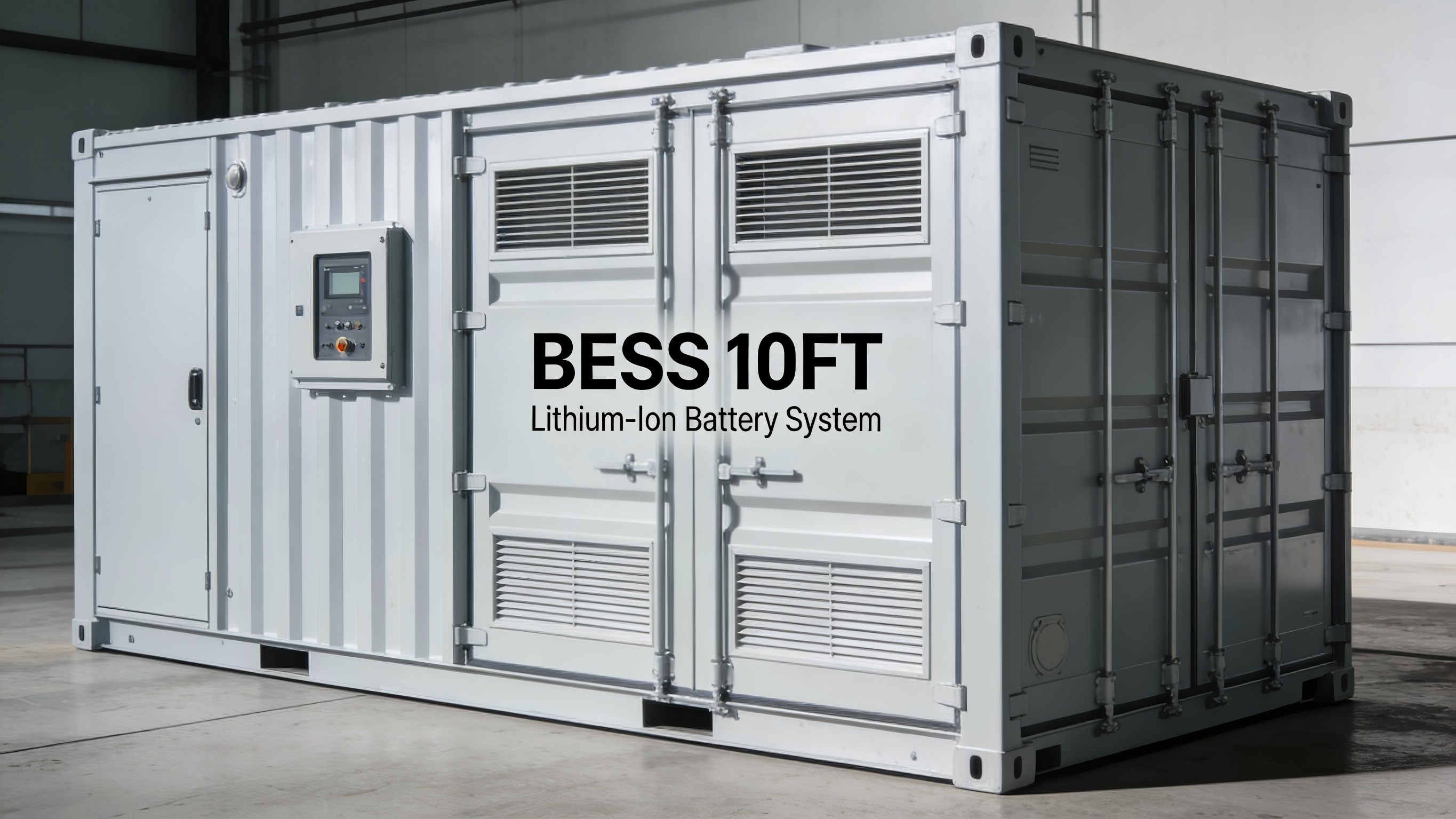
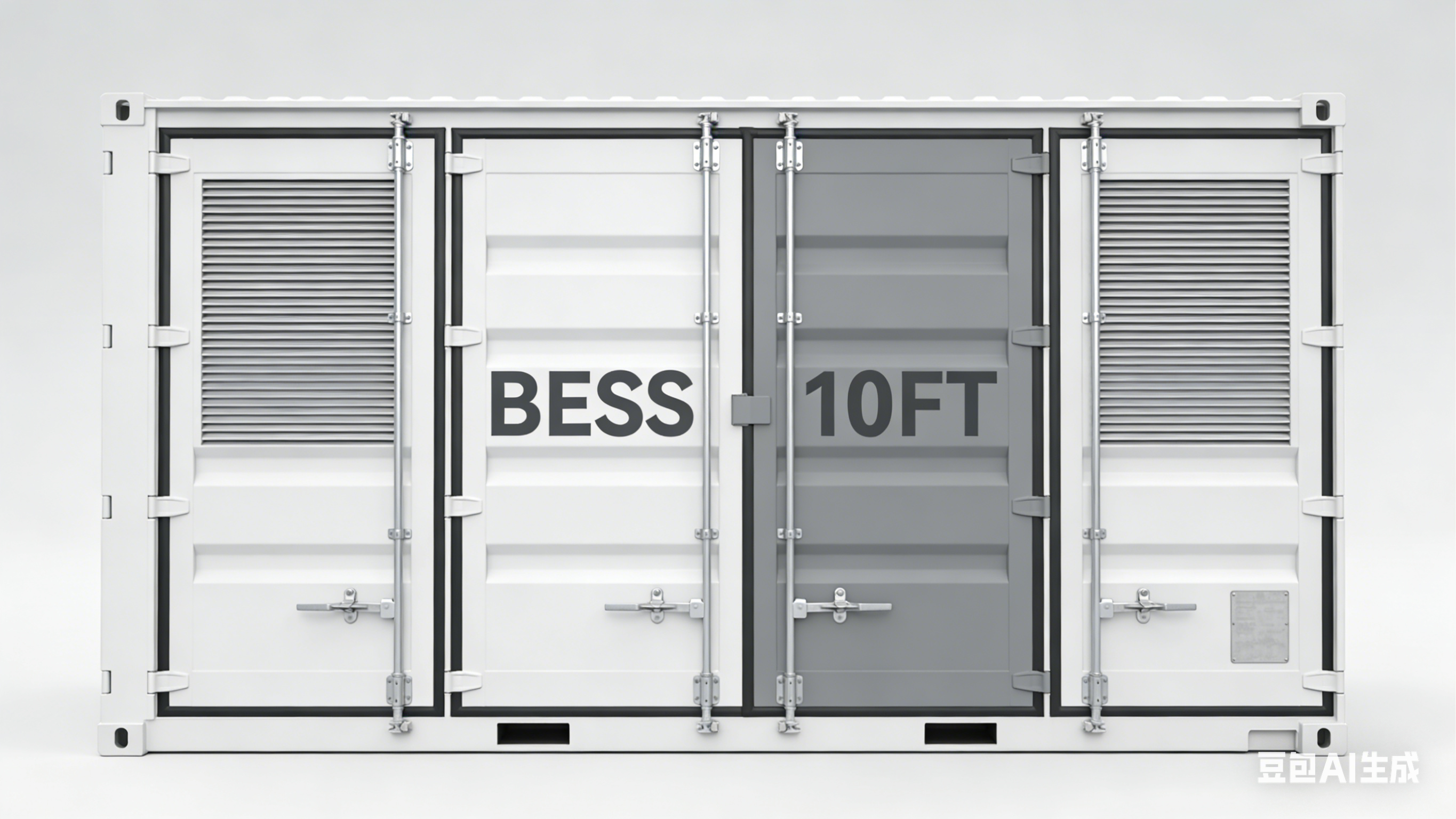
Evolisun all in one play and plug container battery system typically refer to large-scale, modular battery units housed in shipping containers for industrial or utility applications.
Factory Integration and Pre-Commissioning: The entire system, including batteries, inverters, HVAC, and fire suppression, is fully assembled and tested at the factory. This "plug-and-play" approach minimizes on-site assembly work and reduces the risk of installation errors.
Rapid Deployment: Because the heavy construction and wiring are completed off-site, these containers can be installed and become operational in a fraction of the time compared to traditional brick-and-mortar battery plants.
Modularity and Scalability: Projects can be easily scaled by connecting multiple containerized units in parallel. This allows for incremental capacity additions to match growing energy demands without re-designing the entire system.
Mobility and Relocatability: As self-contained units, they can be transported by truck, rail, or ship. This makes them ideal for temporary grid support, event power, or the ability to relocate the asset if grid requirements change.
Space Efficiency: By utilizing the vertical space and standardized dimensions of a shipping container, these systems offer a high energy density with a relatively small physical footprint compared to open-rack alternatives.
Simplified Logistics and Infrastructure: Standardized container dimensions simplify transport logistics. On-site, they typically only require a concrete pad and a single point of electrical interconnection, reducing civil engineering work.
Enhanced Safety and Environmental Control: The container provides a controlled environment (protection from dust, rain, extreme temperatures) and integrated safety systems (thermal management, fire suppression) that are designed to work together seamlessly.
1. Utility Grid Support
Stabilize grid frequency/voltage, provide peak shaving & valley filling, and support black start & reactive power regulation for public power grids.
2. Renewable Energy Matching
Integrated with solar/wind farms to store surplus energy, smooth output fluctuations, and improve renewable energy utilization.
3. Industrial & Commercial Energy Management
Help factories, malls and enterprises cut electricity costs via time-shifting, and provide UPS backup for critical equipment.
4. Microgrid & Off-Grid Power Supply
Operate as standalone microgrids to supply reliable power for remote communities, mining areas, islands and construction sites.
5. Emergency & Temporary Power
Rapid deployment for disaster relief, large-scale events, temporary construction and grid maintenance backup.
6. Smart Grid Integration
Seamlessly connect with SCADA systems, support remote monitoring, and realize intelligent dispatch for smart grid construction.
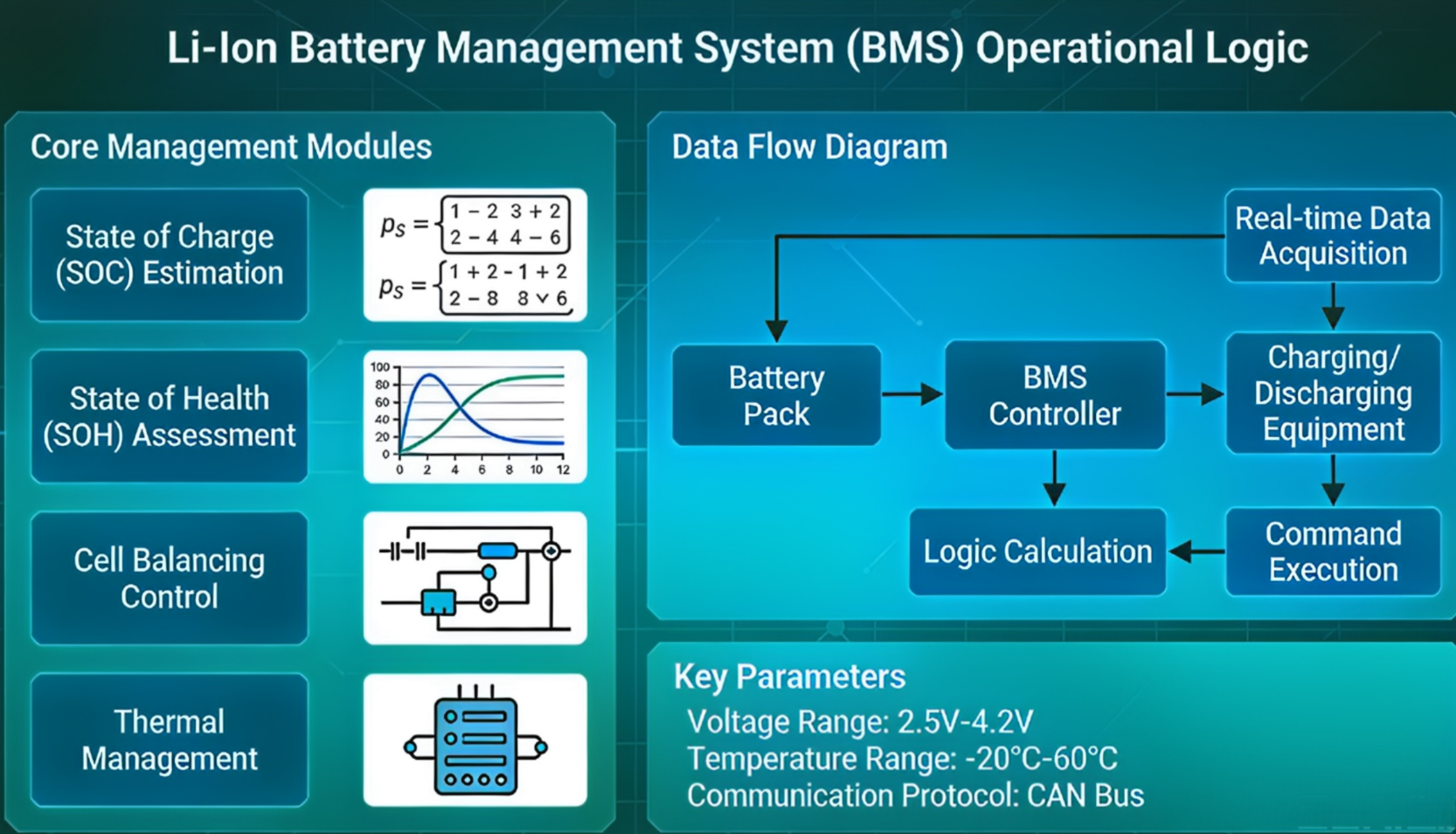
The Battery Management System (BMS) is the "intelligent brain" of an energy storage system, dedicated to comprehensive and precise management ofthe battery pack. It continuously monitors key parameters such as battery voltage, current, and temperature to accurately estimate the battery's state of charge (SOC),ensuring operational safety and providing fault warnings. The BMS employs advanced battery balancing technology to minimize performance differences between individual battery cells, extending the overall lifespan of the battery system. Furthermore, the BMS works in conjunction with the power conversion system and energy management system to optimize charging and discharging strategies, improving overall efficiency and reliability. As a critical component ensuring safety and performance, the BMS is an indispensable core component of electrochemical energy storage systems.
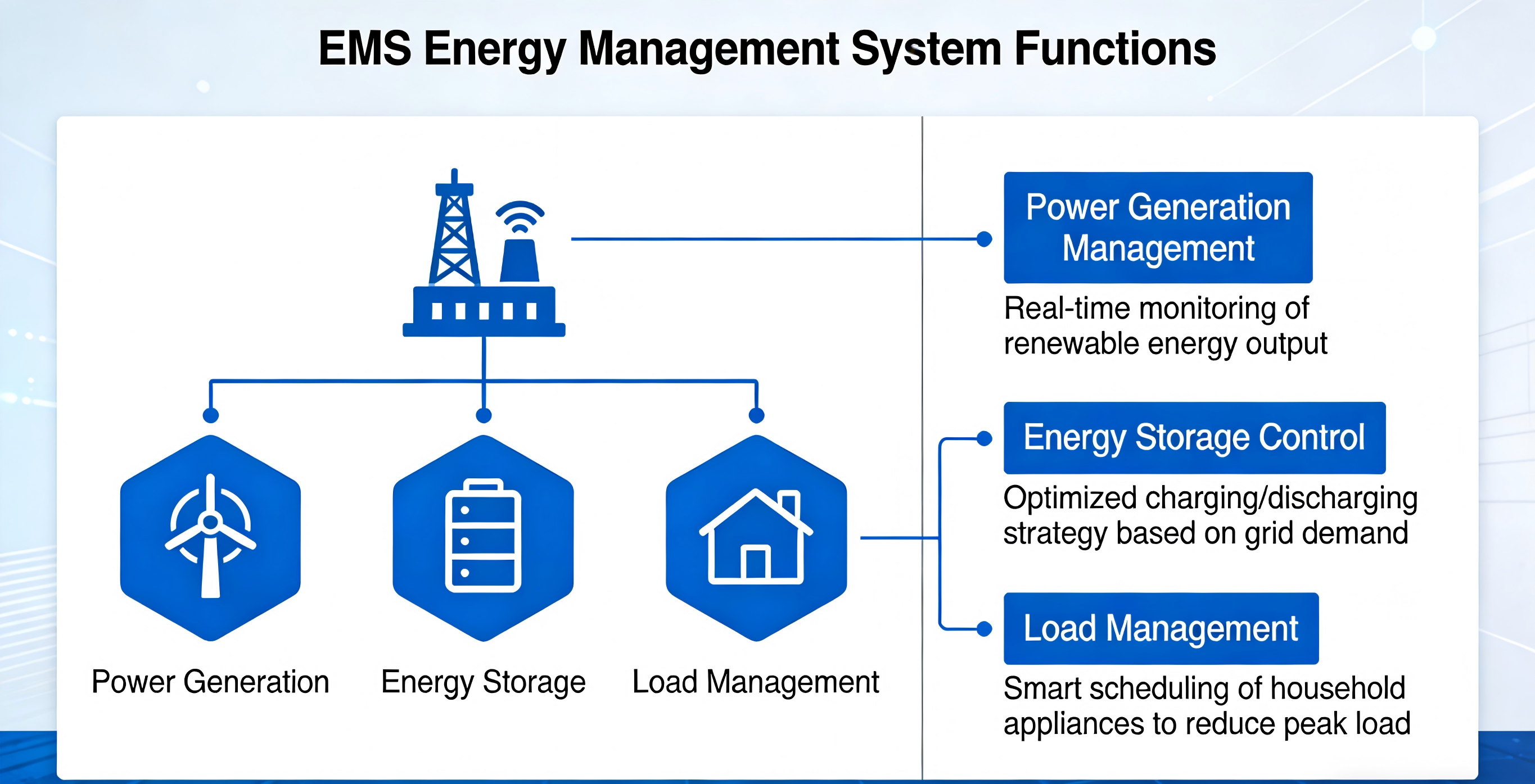
Photovoltaic-Storage-Diesel Generator System Energy Management System In integrated photovoltaic (PV), energy storage, and diesel generator systems, the energy management system acts as the "intelligent core" and "
central dispatcher," responsible for coordinating and optimizing these three different energy sources. Based on load demand, electricity price signals, and power generation forecasts, it utilizes intelligent algorithms to formulate the most economical and reliable operating strategies. This system prioritizes clean photovoltaic (PV) power generation and utilizes energy storage batteries for peak shaving and valley filling, as well as smoothing power fluctuations. When PV power generation and energy storage are insufficient to meet demand, the energy management system automatically activates diesel generators as backup power to ensure uninterrupted power supply. Its core objective is to maximize the use of clean energy and reduce diesel consumption and operating costs while ensuring the safe, stable, and efficient operation of the entire microgrid system.
Inverters are the "heart" and "converter" of renewable energy power systems. Their core function is to convert the DC power generated by solar panels or stored in batteries into standard AC power used by homes and the grid. It is far more than a simple converter; it is also the intelligent control center of the system. It performs maximum power point tracking (MPPT) to optimize PV power generation efficiency and ensures that the output
current is perfectly synchronized with the grid's frequency and phase, thus achieving safe operation. The main categories include grid-connected inverters (connected to the public grid), off-grid inverters (for stand-alone systems), and hybrid inverters (combining both functions). Key performance indicators such as conversion efficiency, output waveform quality, and reliability are crucial, directly determining the performance and stability of the
entire system. DC-MPPT Module
A DC module (typically a DC/DC converter) integrating MPPT functionality acts as a "front-end optimizer" and "smart tracker" for a photovoltaic (PV) system. The core task of this combined module is to achieve efficient conversion and power maximization at the DC level. Its working principle is as follows: the Maximum Power Point Tracking (MPPT) algorithm continuously scans and dynamically tracks the maximum power point of the solar panels to adapt to changes in light intensity and temperature; simultaneously, the DC/DC circuit efficiently and stably converts the variable DC voltage generated by the solar panels into the appropriate DC voltage required by downstream systems (such as batteries or inverters). This combination significantly improves the power generation efficiency of the PV array (especially under non-ideal conditions), enables more flexible component configuration, and provides optimized charging management for the batteries. It is a key component for enhancing the overall energy harvesting capability of a PV power generation system.
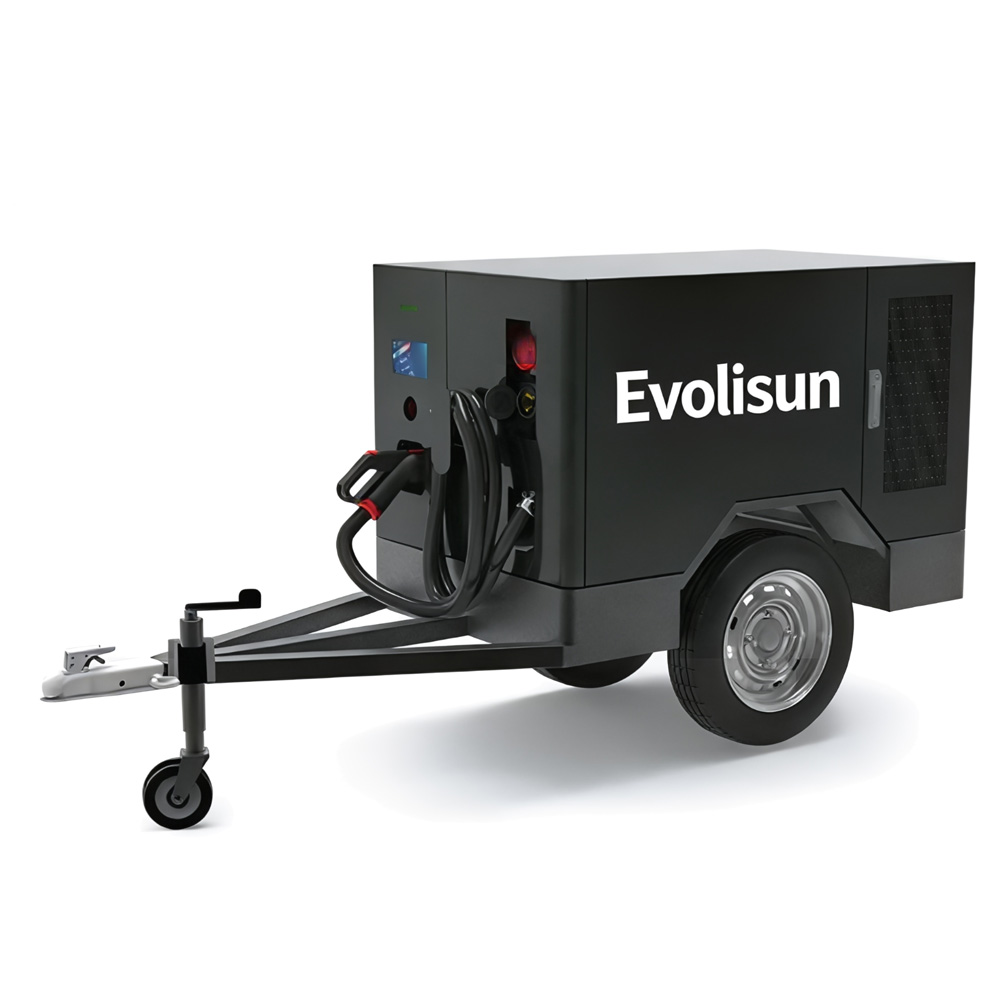
A diesel generator is an independent core power generation device that converts the chemical energy of diesel fuel into stable electrical energy through combustion. Its main components include a diesel engine, a synchronous generator, and an automatic control system. Its working principle is that diesel fuel burns and expands in the engine cylinders, driving the crankshaft to rotate. This rotation, in turn, drives the generator rotor to cut magnetic lines of force, thereby generating alternating current (AC). As a classic spinning backup power source, it features rapid start-up, high output power, stable and reliable operation, and strong adaptability. After a grid failure, it can automatically start within seconds, providing continuous power to the base load. Therefore, diesel generators are widely used in data centers, hospitals, factories, telecommunications base stations, and renewable energy microgrids to provide uninterrupted power to critical loads and enhance system resilience.
System Technical Specification
This product features multiple protection measures, including overcurrent protection during charging and discharging, overhea protection,circuit protection, undervoltage protection, and overvoltage protection. Furthermore, it supports remote monitoring and remote system startup, providing uninterrupted power to the load side.
Item | Parameter | Condition | Remark |
System capacity | 1560KWh |
|
|
DC Rated voltage | 832VDC |
|
|
AC | 380VAC |
|
|
Rated output power | 125KW |
|
|
Overload ability | 10% |
|
|
AC output | Three-phase four wire system |
|
|
Frequency | 50HZ/60HZ |
|
|
Factor | -1~+1 |
|
|
Storage temperature | -20-45 |
|
|
Communication | Ethernet/4G network |
|
|
Delivery SOC(%) | 27% | (25±2)℃ |
|
Product lifespan ensures operating conditions | Operating in an environment of -20 ℃ -50 ℃, with a 3-year warranty | -20℃-50℃ |
|
System temperature control method | liquid cooling |
|
|
fire protection system | Active recognition, passive control |
|
|
Protection level | IP54 |
|
|
noise | <75dB |
|
|
Overall dimensions | 2991 x 2438 x 2591 |
|
|
Weight | <20T |
|
|
MPPT rated power(KW)
| 312.5kw (62.5kw*5) |
|
|
MPPT voltage range (V) | 150-1000(VDC)
|
|
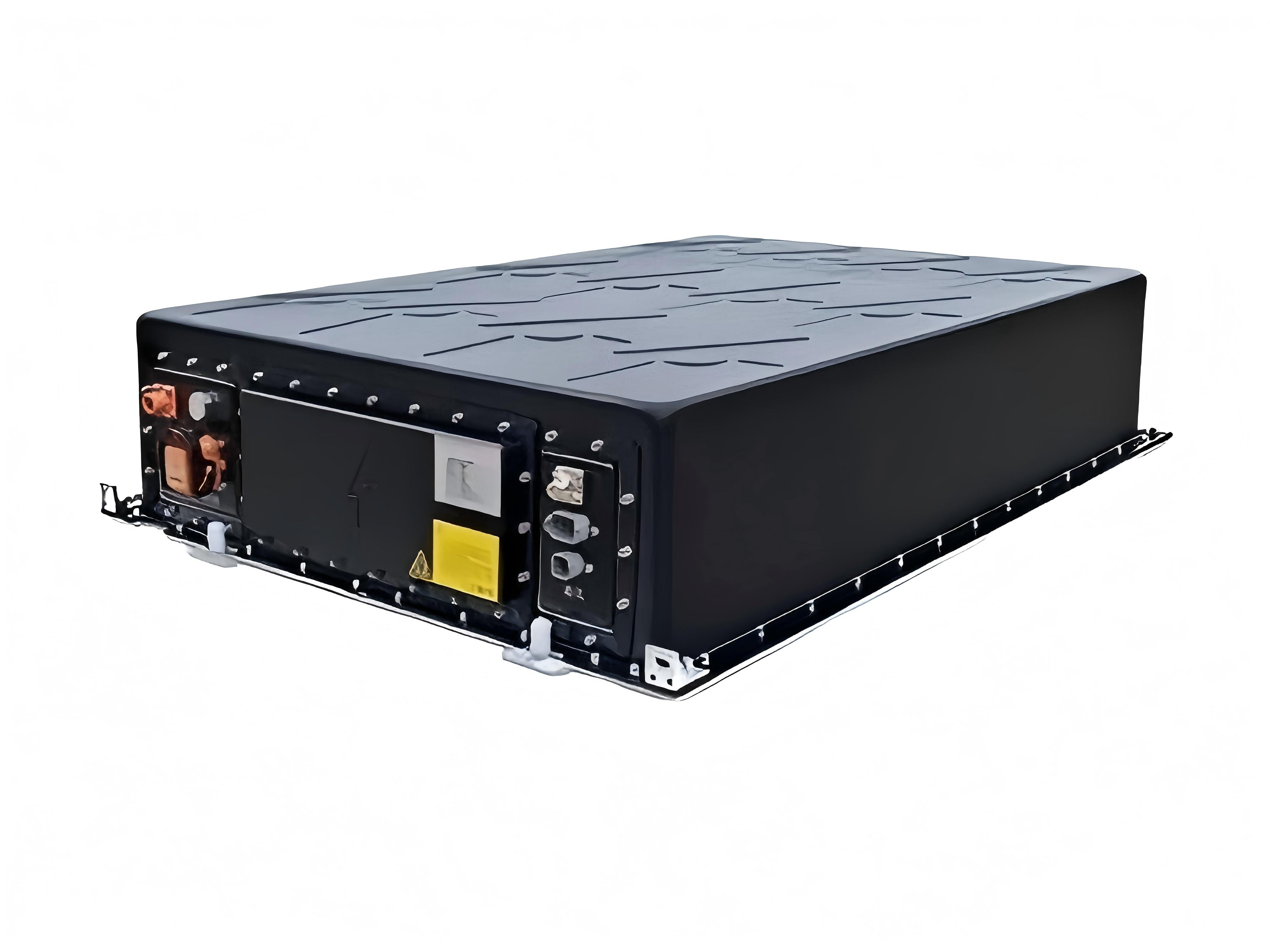
The MSD (Manual Service Disconnect) is the manual service/maintenance switch for the battery pack. It must be removed before any maintenance work is performed, and the system must be left to stand for at least 10 minutes.
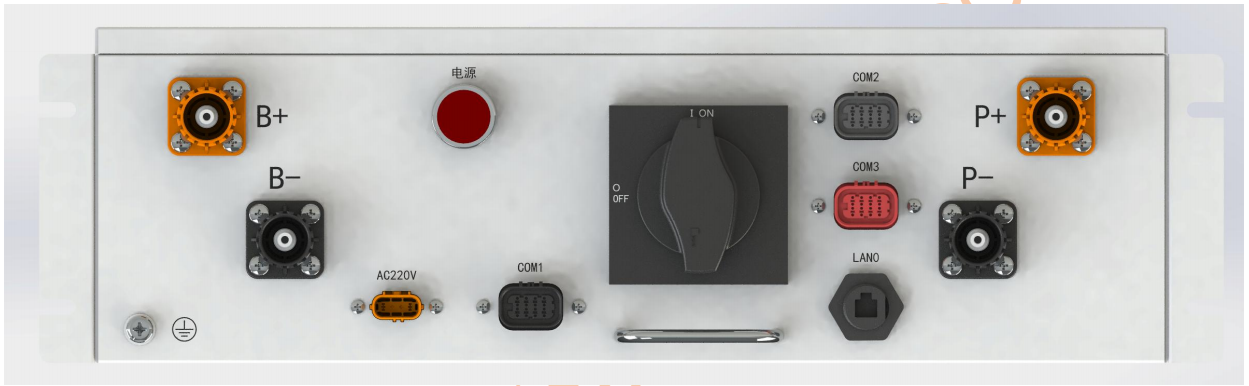
As shown in the figure above:
B+/B- :are the input terminals for the power cables.
Power Indicator: The button must be pressed to activate it when the auxiliary power is engaged.
AC220V is the power supply input port for the high-voltage box.
COM1 is the communication connection port between RACKs.
COM2 is the communication connection port for the battery pack.
COM3 is the maintenance/debugging port at the RACK level.
LAN0 is the communication port between the high-voltage box and BMS/ main controller.
P+/P- are the output terminals for the power cables.
Introduction to BMS Control Interface
The BMS master controller can monitor all cell voltages and temperatures within the battery system and possesses temperature regulation capability, enabling the integrated system to operate within an ambient temperature range of -30°C to 60°C and storage of all cell runing data.
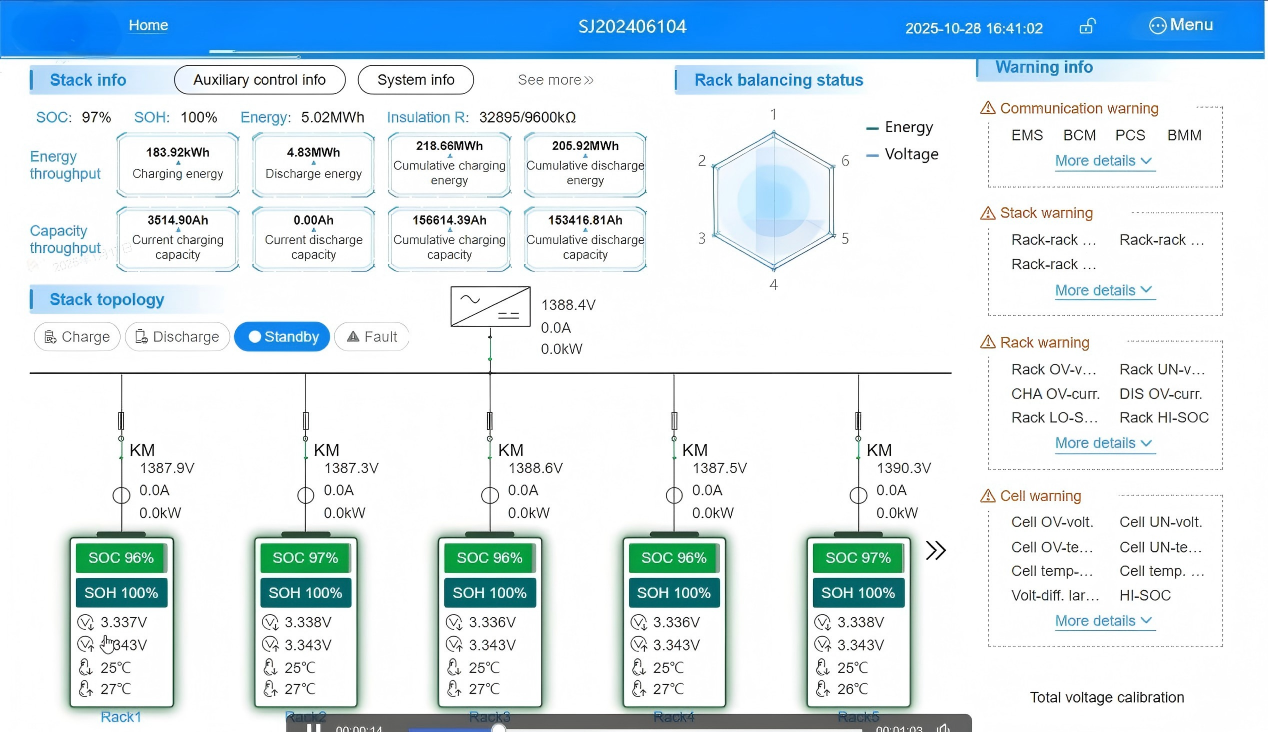
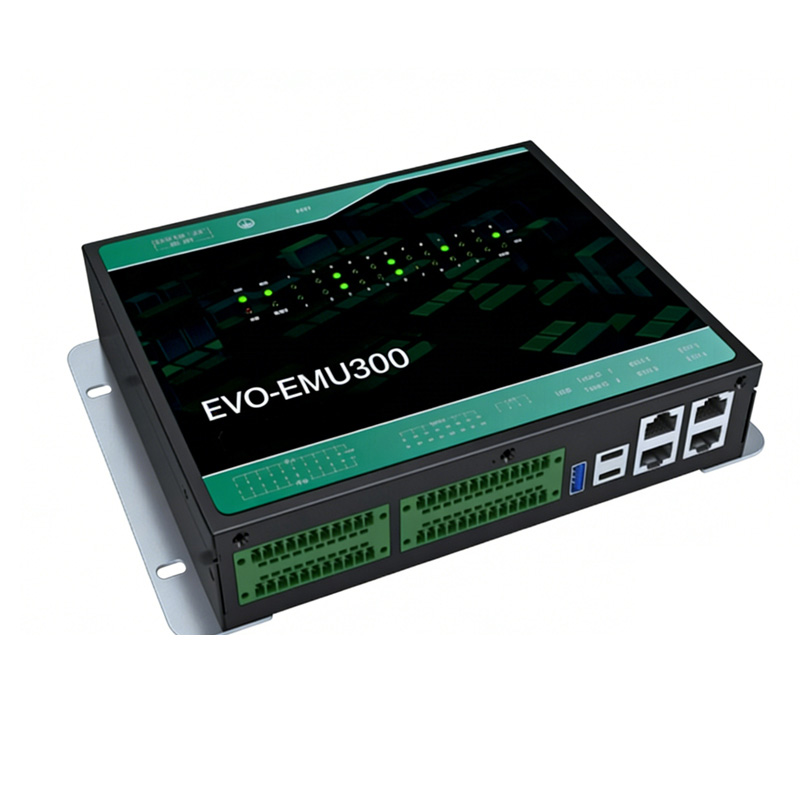
The EMS system we employ is an all-in-one unit capable of real-time display of load power, photovoltaic charging power, battery-side remaining energy, and instantaneous power generation from the diesel generator. It also logs real-time data for convenient traceability.
Our system supports switching between various operating modes: grid-tie/off-grid switching, grid-tied mode, off-grid mode, backup mode, and peak shaving/valley filling.
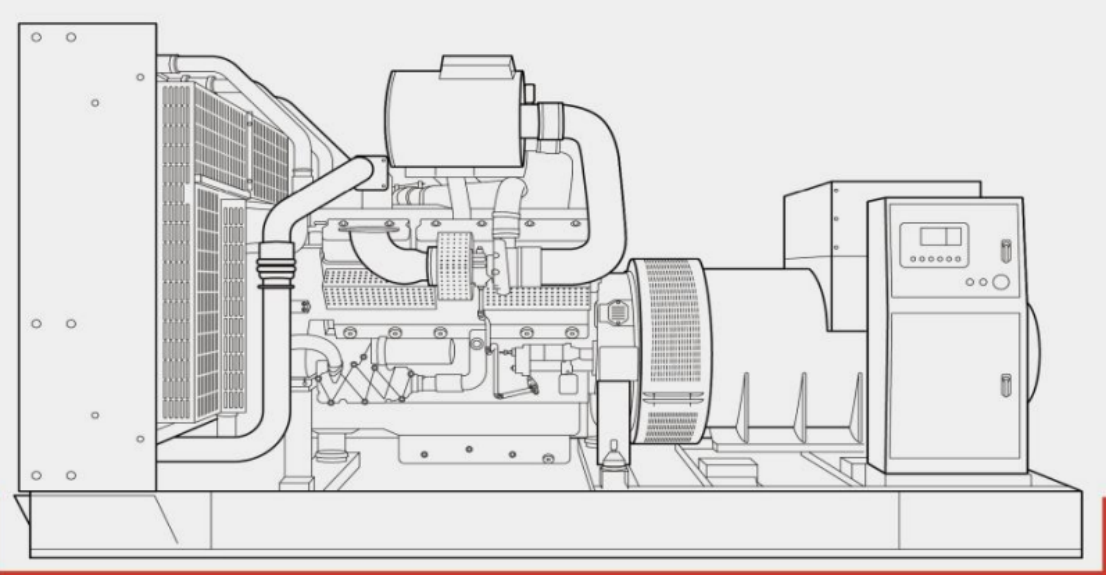
This diesel generator provides emergency power supply for the system. When the battery side has insufficient energy or when there is a fault in the battery-side system, the diesel generator is activated promptly to supply power to the load.
Item | Parameter | Remark |
Power | 50kw | |
phase number | Three-phase four wire system | |
Output voltage | 400VAC 50HZ | |
Output current | 90A | |
power factor | 0.8 | |
intake method | turbocharged intercooled | |
Startup method | electric start | |
Diesel model | No. 0 diesel | |
Weight | 1200kg | |
size | 2250 mm x980 mm x1300 mm
|
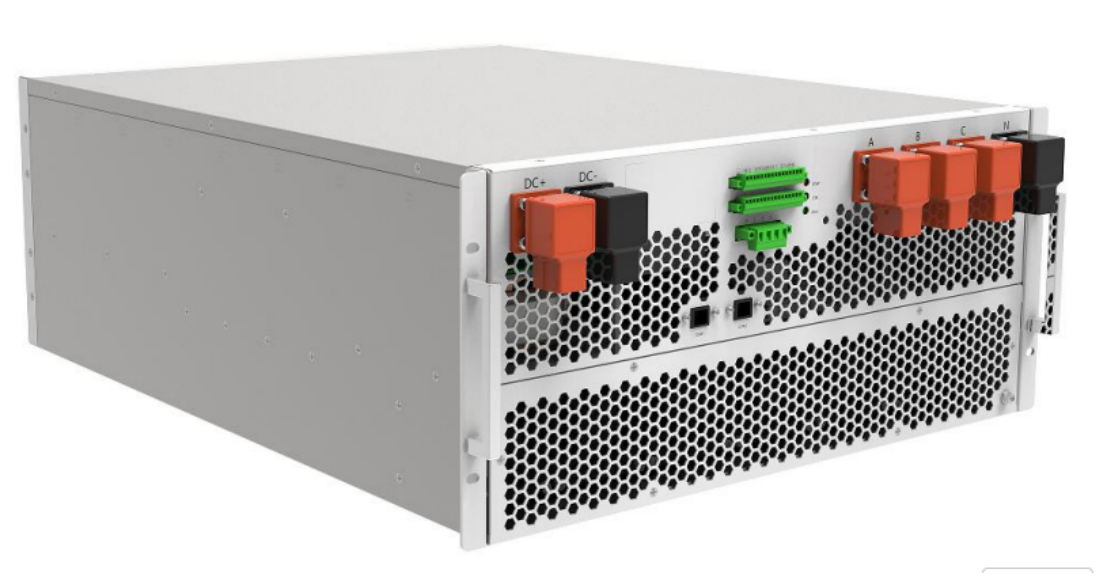
DC voltage range | DC600V~1000V
| Full load voltage: DC630V~950V, DC600V~630V、DC950V~1000V derating |
Full load voltage range | DC630V~950V
|
|
Rated DC current | 198A
|
|
Rated DC power | 125kW
|
|
Exchange off grid parameters | ||
AC off grid voltage | AC400V |
|
AC voltage range | AC400V±3% |
|
Off grid frequency | 50Hz/60Hz
|
|
Off grid output THDU | ≤3%
|
|
Unbalanced load capacity | 100%
|
|
Altitude | 3000 m
| Capacity reduction ≥ 2000 meters |
noise | ≤75dB
|
|
Maximum conversion efficiency | ≥99%
| Full load maximum efficiency>98% |
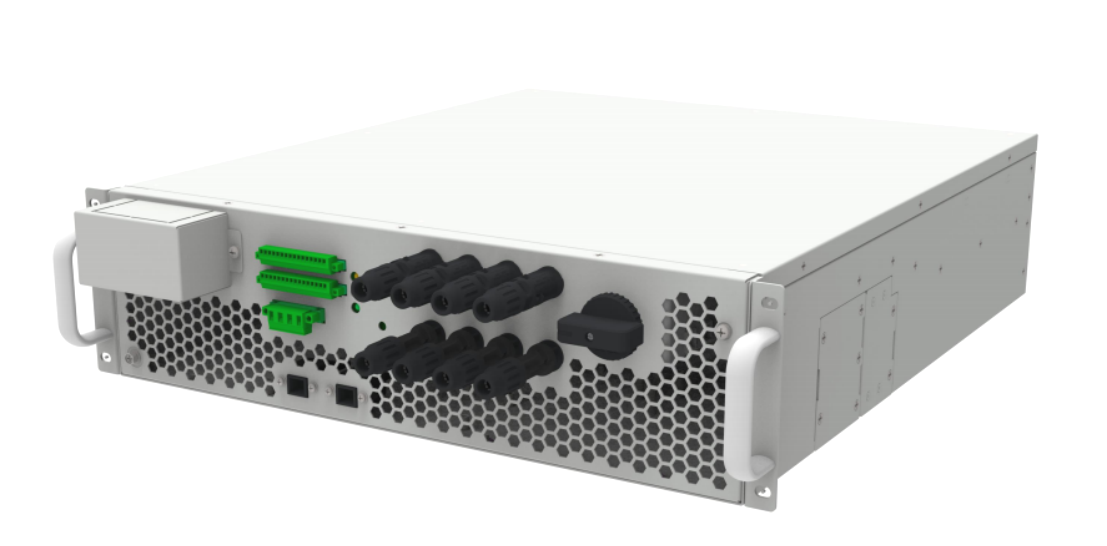
The INP-MPPT module is a non-isolated photovoltaic-to-DC DC/DC converter module. This module connects to solar photovoltaic panels at the input, supports four independent photovoltaic panel inputs, and can output to the DC bus or batteries. When photovoltaic power is available, it delivers the PV power to the batteries or the DC bus. The module features 4 MPPT channels, which improves the utilization efficiency of the photovoltaic panels. For the all-in-one system, we will use five MPPT modules in parallel.
Item | Parameter | Remark |
MPPT channels | 4 |
|
Maximum voltage on the photovoltaic side (V) | 1100 |
|
MPPT voltage range (V) | 150-1000 |
|
Minimum voltage of rated power (V) | 350V |
|
Rated power (KW) | 62.5KW |
|
Maximum current on the photovoltaic side (A) | 50A*4 |
|
Operating voltage range of busbar (battery) side (V) | 450-1000
|
|
Maximum efficiency | 99% |
|
Noise | ≤70dB
|
|
Cooling method | forced air cooling |
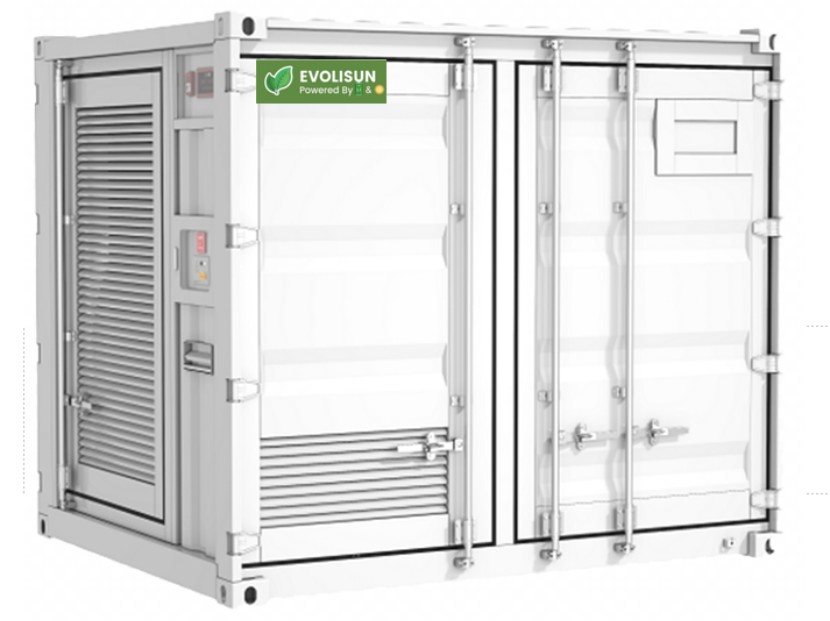
2991mm*25910mm*2438mm
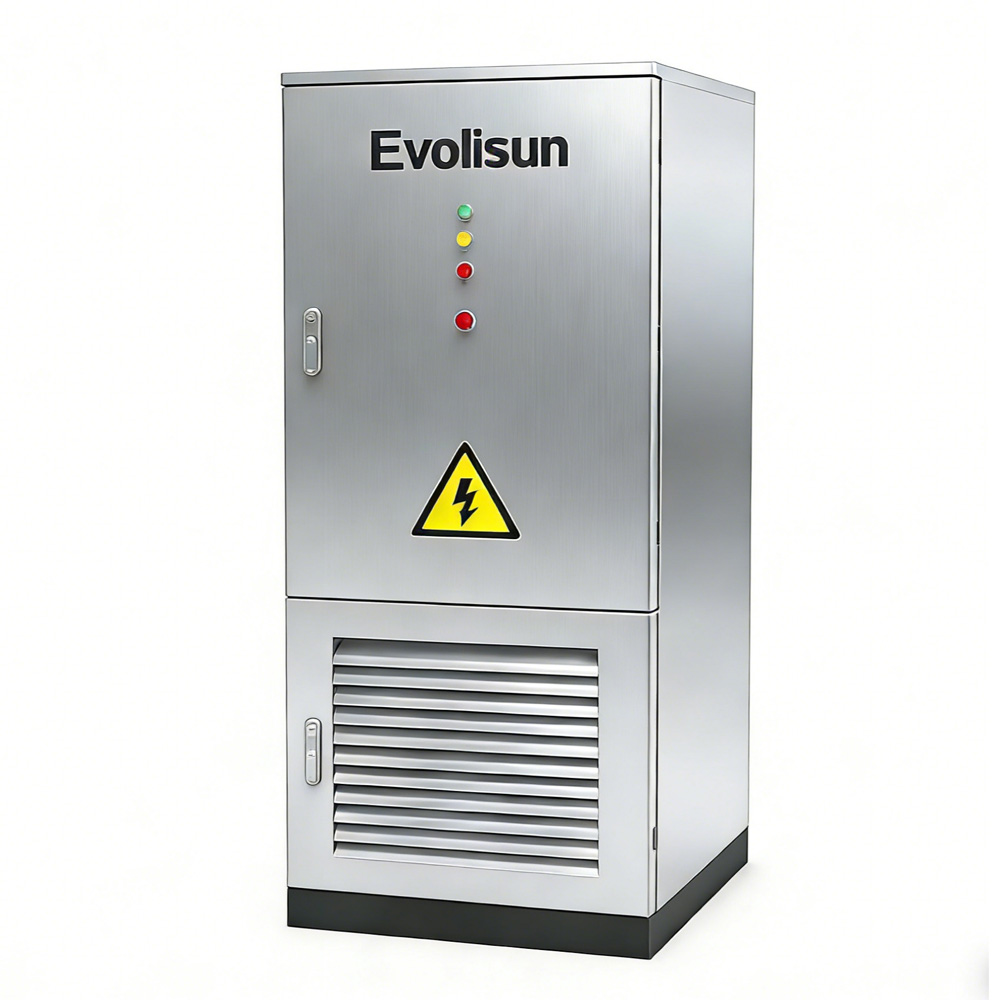
Container User Panel Schematic:
Green light indicates: Auxiliary power ON.
Red light indicates: System in operation.
Yellow light indicates: System fault.
Display screen: Interface for charge/discharge operations.
Three-phase four-wire load port
Evolisun battery pack production line